Skip to content

Application Overview
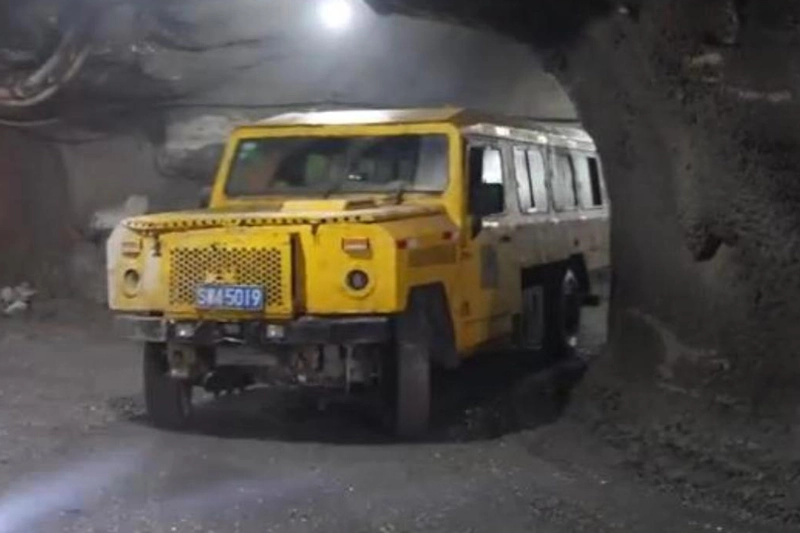
To meet the transportation needs of mine work crews, technical inspection teams, and maintenance personnel, including commuting, technical inspections, and maintenance, select an appropriate underground trackless personnel carrier based on the number of passengers, tunnel conditions, and operating routes.
Underground personnel transportation refers to the process of using appropriate personnel transport vehicles to move mining workers, technical staff, and maintenance personnel between designated boarding and alighting points and underground work areas. Common needs include transporting workers during shift changes, redeploying personnel between different work areas, and facilitating the daily travel of technical and maintenance teams.
The Xuri Mining Machinery series of underground trackless personnel carriers can be compared based on different passenger capacities and route requirements. When selecting a model, it is important to verify the rated passenger capacity and vehicle dimensions, as well as to consider ramps, curves, road conditions, boarding and alighting conditions, and shift schedules, to ensure the vehicle is suitable for the actual transportation tasks.
Work Process
The transportation and transfer of personnel underground, as well as vehicle use and transportation management, shall be carried out in accordance with on-site mine requirements.
- Confirmation of Transportation Plans and Routes: Specify the number of crew members, pickup and drop-off times, boarding and alighting locations, and stops; verify that the tunnels traversed comply with traffic organization requirements.
- Vehicle Inspection and Boarding Preparation: Complete inspections in accordance with equipment operating procedures and on-site management requirements; organize personnel to board in the designated area according to the approved passenger capacity.
- Personnel Transport According to Schedule: Complete pickups and drop-offs along the routes specified by the mine, coordinating schedules with production transport vehicles and other underground operations.
- Handover at Destination and Preparation for the Next Shift: Complete disembarkation and personnel handover at the designated location; return to the depot or proceed to the next stop as scheduled; and arrange for vehicle inspection and maintenance.
Selection Guidance
When selecting a passenger transport vehicle, it is necessary to consider “how many people it can seat, which routes it can take, and where passengers can board and alight.” Specifically, vehicle selection should be based on the following three factors:
- Passengers and Riding Conditions: Number of passengers per trip, number of seats required, whether the driver is included in the approved passenger count, as well as pickup and drop-off frequency and peak-hour demand. Seat layout, vehicle configuration, doors or boarding/alighting passages, and required safety features.
- Access and Ramps: Minimum clear width and height of tunnels, curves, intersections, passing zones, and parking spaces, taking into account the maximum gradient, continuous slope length, surface traction, and drainage conditions within the tunnels.
- Operating Environment and Routine Maintenance: Ventilation, temperature and humidity, dust levels, and vehicle power requirements; inspect and maintain service windows, tires, and commonly used spare parts; evaluate vehicle rotation schedules.
Relevant Equipment
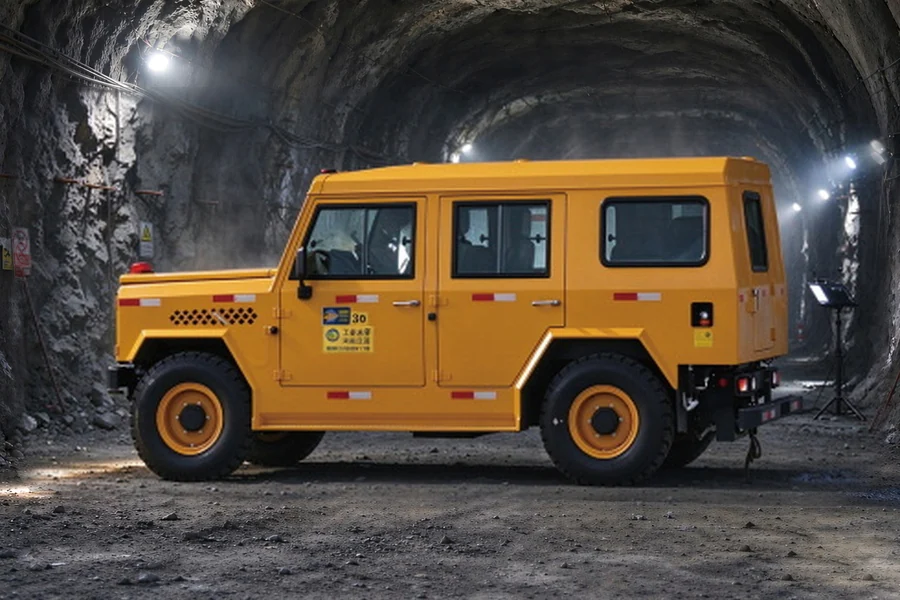
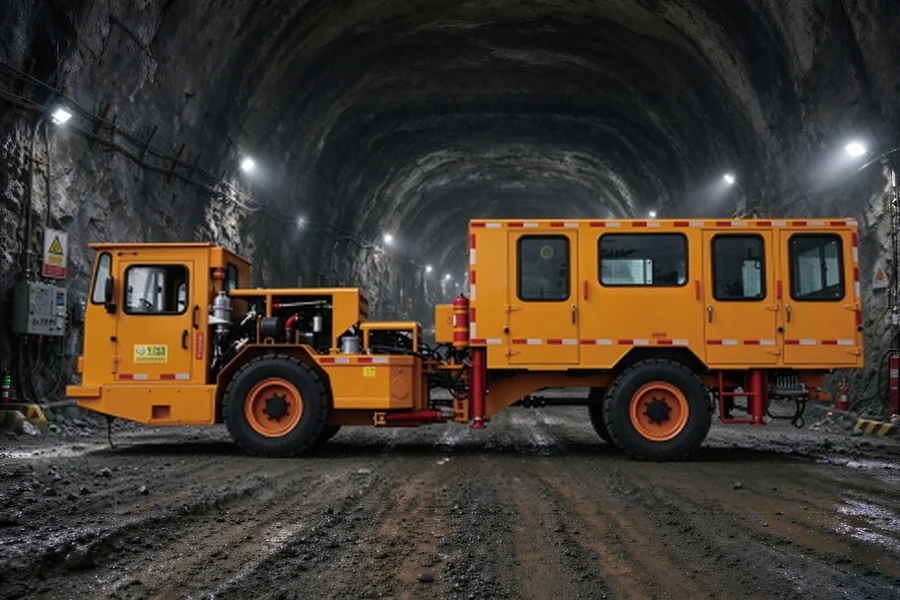
underground personnel carriers: The RU Series of underground trackless personnel carriers currently includes the RU-5, RU-10, RU-16A, RU-18, and RU-22 models, which can be compared based on passenger capacity and aisle width requirements.
Service Support
When selecting underground trackless personnel carriers, Xuri Mining Machinery typically customizes equipment suitable for mining operations based on transportation requirements, vehicle compatibility, and passenger compartment and configuration specifications. We confirm delivery and operational requirements through communication, and verify the scope of technical documentation, inspection and maintenance records, spare parts, and operation and maintenance guidelines.